Finding the Right Planting Calendar for Your Part of Oregon
A planting calendar can be useful right up until it gives you the wrong date for your garden. Oregon’s coast, valleys, high desert and mountain elevations warm up and cool down on different schedules. The answer is not to find one perfect statewide calendar, but to adjust a regional starting point to your location, soil and crops.
Why Oregon needs more than one planting calendar
Oregon’s gardening seasons are shaped by more than the calendar. A mild coastal spring, a warm interior valley and a high-elevation garden can experience very different conditions on the same day. A date that works for peas in one place may mean cold, wet soil for a garden elsewhere; a tomato-ready stretch in a sheltered valley may arrive much later in a chilly pocket.
A statewide calendar is still useful for organizing the year. It can suggest what to plan, start or harvest in a given month. But treat those suggestions as a first estimate, not a promise. Before you act, check the conditions where the plants will grow.
Three questions help make a calendar more local:
- What is the weather and frost risk at my site? Nearby valleys, slopes and built-up areas can differ from a regional average.
- Is the soil ready for the crop? Soil that is too wet or cold can delay germination and slow young plants, even when the air feels pleasant.
- How much growing time does the crop need? A quick leafy crop and a heat-loving crop do not share the same planting window.
The goal is not to predict the weather far in advance. It is to use regional timing as a guide, then make decisions using current conditions and the needs of each crop. For an overview of the year, Oregon Planting Calendar: Month-by-Month Garden Timing can help you organize tasks while you adapt them locally.
Start with a climate region, then narrow down
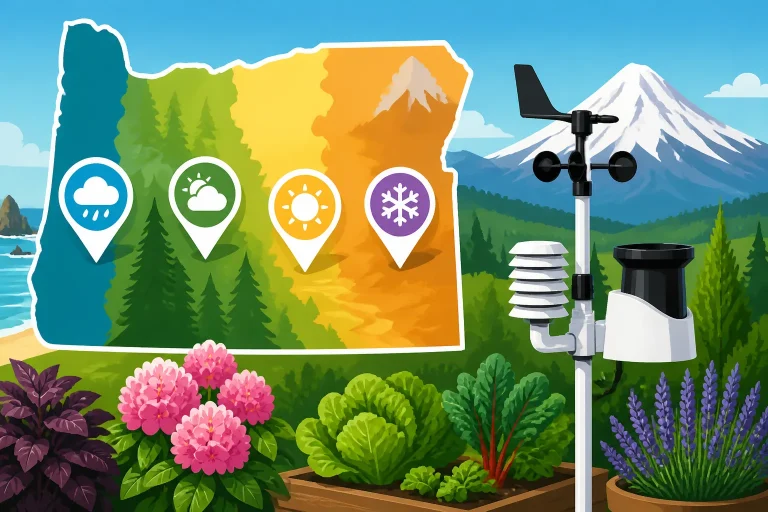
A practical calendar begins with a broad region. Oregon gardeners commonly need to think about the coast, the Willamette Valley and other western valleys, inland river corridors, central Oregon’s high desert, and higher-elevation or colder areas. These are useful planning categories, not precise boundaries. Conditions can change over short distances.
The broad region tells you what kind of seasonal pattern to expect. The garden itself tells you whether that pattern fits your site. A south-facing bed beside a wall may warm sooner than an exposed bed nearby. A low spot may hold cold air. Wind can dry plants and soil, while shade can delay warming. These differences matter even when two gardens share a town or ZIP code.
A calendar should therefore work in layers:
| Layer | What it tells you | How to use it |
|---|---|---|
| Oregon region | The broad seasonal pattern | Choose an appropriate starting calendar |
| Local weather history | The usual timing of cold, warmth and rain | Estimate likely outdoor windows |
| Garden microclimate | How your yard differs from the surrounding area | Move a window earlier or later when conditions justify it |
| Soil and current weather | Whether planting is practical today | Decide whether to sow, transplant or wait |
| Crop requirements | The conditions and time a plant needs | Choose a suitable crop and planting method |
This approach avoids the false precision of a single date. It also gives you a way to adjust when a season runs colder, wetter or warmer than expected.
Find the local conditions that shape your calendar
The most useful planting calendar is based on the conditions at the garden bed, not just the nearest city name. You do not need a complicated weather station to make a better decision. A few observations, combined with a suitable weather reference, can show why a calendar needs adjustment.
Use frost dates as a risk estimate
Average frost dates describe a pattern across past weather records. They do not tell you that frost will stop on a particular day or begin on a particular day in your garden. A date may represent a specified probability at a particular weather station; it is not a guarantee for every yard in the area.
Frost risk is especially relevant for tender crops, which may be damaged by cold. It is less useful as the only guide for cool-season crops that tolerate chilly conditions. For tender plants, consider both the expected end of spring frost risk and the possibility of cold nights after that period. For fall crops, work backward from the likely onset of damaging cold and allow enough time for the crop to mature.
Look for weather information from a station whose elevation and setting are reasonably similar to your garden. A station near a city center may not represent a rural garden, a valley bottom or a hillside. The details matter more when the landscape changes quickly. Matching NOAA Weather Stations to Oregon Microclimates and Elevation explains why station choice affects the estimates you use.
Notice how your yard holds or sheds cold
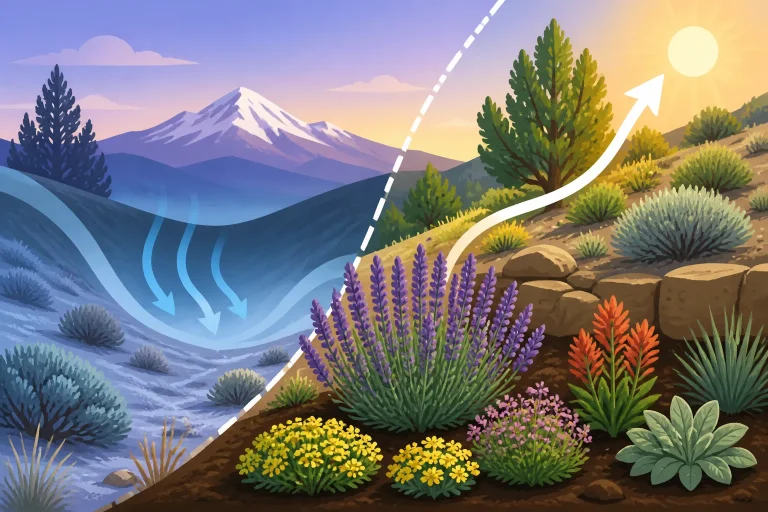
Cold air can settle in low areas, so a garden at the bottom of a slope may experience colder nights than one higher up. Walls and pavement can hold warmth, while open ground may cool more quickly. Trees, buildings and fences also change sun exposure and airflow. These effects do not make frost predictable, but they can help explain why the same regional date works in one yard and fails in another.
Keep simple notes as the season progresses. Record the first and last nights when frost affects your garden, where damage appears, and whether one bed warms sooner than another. A few seasons of observation can make your calendar more useful than a generic date range.
A map’s hardiness zone does not solve this timing problem. The USDA Plant Hardiness Zone Map describes average annual extreme winter cold and is intended to help assess plant survival over winter. It does not tell you when to sow vegetables, when spring soil will dry, or when a tender crop can safely go outdoors. ZIP codes or areas fall in a zone on the map, but that zone is not a planting calendar. For the distinction, see How Hardiness Zones Measure Oregon Winter Cold.
Check soil temperature and moisture
Soil temperature affects germination and early root growth. A seed packet may list a suitable soil-temperature range or other sowing instructions. Use those instructions as a crop-specific reference, and check soil where you plan to sow rather than relying on the air temperature at midday.
Soil moisture matters just as much. Early spring soil can remain saturated after rain. Working or planting in very wet soil can compact it, and seeds may struggle in cold, waterlogged conditions. Wait until a bed is workable: soil should not smear heavily or form a slick, sticky mass when handled. If one area drains poorly, it may be ready later than a nearby raised bed.
Raised beds often warm and drain differently from in-ground beds, but they still depend on the weather. Do not assume a raised bed is ready simply because it sits above the surrounding soil. Check the bed itself. Checking Garden Soil Moisture After Recent Pacific Northwest Rain offers a useful way to think about the difference between a rainy forecast and planting-ready soil.
Account for elevation, wind and exposure
Elevation can shorten the usable warm season and bring colder nights, while nearby slopes and exposures influence how quickly a site warms. Wind can make a garden harsher for young plants and dry the soil more quickly. A sheltered, sunny spot may support a different planting schedule than a windy, shaded one nearby.
When deciding whether to move a calendar window, make a small adjustment rather than assuming the whole garden is an exception. Compare the site’s soil, sun and recent temperatures with the conditions the calendar expects. If the soil remains cold or wet, waiting is sensible even when a month-by-month chart says planting is common.
For a more focused look at local variation, Why Your Garden Microclimate May Differ From the Map Zone and How Microclimate Variations Shift Expected Freeze Dates cover the limits of broad maps and weather averages.
Match the planting method to the crop
A crop’s planting window depends not only on where you garden, but also on whether you sow directly outdoors, start seeds indoors or buy transplants. These methods have different risks and advantages. A calendar that does not distinguish between them can be misleading.
Direct sowing
Direct sowing means planting seed where the crop will grow. It avoids transplant shock and works well for crops that establish readily in garden soil. But the seed depends on suitable outdoor conditions. Cold, saturated soil can delay germination; a dry surface can prevent seeds from getting the moisture they need.
Use the packet’s guidance for sowing depth and conditions, then check that the bed is workable and that the crop can tolerate the expected weather. Some cool-season crops can be sown earlier than tender crops, but “cool-season” does not mean that every seed will germinate well in every cold, wet bed.
For crops with small seeds, prepare a fine, even surface so seeds are not buried too deeply or washed away. For larger seeds, follow the stated depth and spacing. If the soil is likely to crust, dry or wash out, consider whether a different planting method or a more sheltered bed would be more reliable. When to Direct Sow Seeds Outdoors Across Oregon Regions is a useful companion when you are comparing regional windows.
Indoor seed starting
Starting seed indoors can give a crop a head start, but it is not automatically better than direct sowing. Seedlings need enough light, suitable temperatures and room to grow. If they stay indoors too long, become crowded or are moved outdoors abruptly, the head start can turn into stress.
Count backward from the expected outdoor planting window, using the crop’s instructions and the time needed to grow a sturdy transplant. The calendar should include a hardening-off period: gradually expose seedlings to outdoor conditions before planting them in their final bed. Avoid putting tender starts outside just because they look large enough; check the forecast and the crop’s cold tolerance.
Starting indoors is often most useful for crops that need a longer warm season than local outdoor conditions provide. It may be less useful for crops that establish quickly from direct-sown seed or dislike root disturbance. Compare the pros and cons in Starting Seeds Indoors vs Direct Sowing in Oregon Gardens.
Transplanting starts
Purchased or home-grown starts reduce the time a crop spends as a small seedling in the garden, but they still need suitable conditions. A transplant can struggle if cold soil slows root growth, if the plant is not hardened off, or if wind and sun are much harsher than its previous environment.
Before planting, check the soil and short-term forecast, then water the root ball as appropriate and handle the plant gently. Give newly planted starts time to establish before expecting rapid growth. If frost or a cold snap remains possible, protect vulnerable plants only with a method suited to the crop and conditions. Covers can reduce exposure, but they do not make a tender plant invulnerable.
The key calendar question is not simply “When can I buy starts?” It is “When can this crop establish outdoors at my site?” Can You Plant Starts Outdoors if Spring Frost Might Return? focuses on that decision.
Use soil temperature for warm-season crops
Heat-loving crops need warm soil as well as mild nights. A warm afternoon does not prove that the ground has warmed enough. Planting too early can leave seeds inactive or make transplants sit without growing, giving pests, disease or stress more opportunity to affect them.
Check the crop’s stated soil-temperature needs and measure the bed where planting will occur. If the soil is below the crop’s preferred range, wait, use a suitable way to warm the soil, or choose a cool-season crop for the time being. Raised beds and containers can warm sooner than some in-ground soils, but conditions vary; confirm rather than assume.
Tomatoes, peppers, cucumbers, squash, beans and corn are among the crops for which warmth is an important consideration. Their specific needs differ, so do not use one crop’s temperature threshold as a rule for all warm-season vegetables. When Is Soil Warm Enough for Tender Warm-Season Crops? and Minimum Soil Temperatures for Sowing Warm-Season Oregon Crops can help refine this part of the calendar.
Build a seasonal plan that can flex
A useful calendar is not a rigid list of dates. It is a sequence of windows with room for weather and crop development. Start by identifying what you want to harvest, then plan backward from the harvest period and forward from the conditions your garden can offer.
Plan around harvest, not just planting
Seed packets usually give an estimated time to maturity, but the actual time can vary with temperature, light, water, variety and growing conditions. In a cool spring, development may be slower than the estimate suggests. A crop planted late may also have less time to mature before fall weather changes.
Use days to maturity as a planning aid, not a guarantee. Determine whether the estimate begins at sowing or transplanting, and check whether the crop is intended for a particular season. If a crop has little time to mature in your region, choose a faster-maturing option or a better-suited crop rather than hoping that a warm spell will make up the difference.
For fall and winter harvests, plan in reverse. Estimate when the crop needs to be established, then account for slower growth as days shorten and temperatures fall. Some crops tolerate cool weather, but reduced light and lower temperatures can still slow growth. Planning Fall and Winter Harvest Windows in Oregon covers the seasonal planning challenge.
Use succession sowing for crops with short harvest windows
Instead of planting an entire row of a quick crop at once, sow smaller amounts at intervals suited to the crop and the conditions. This can spread harvests and reduce the chance of being overwhelmed by a single flush. The intervals need not be exact: adjust them according to how quickly the first sowing grows and how much you want to harvest.
Succession sowing is especially useful for crops that mature quickly or are harvested repeatedly while young. It is less helpful if conditions are too hot, too cold or otherwise unsuitable for the next sowing. A calendar can show possible rounds, but check whether the weather still suits the crop before planting another batch. Succession Sowing Lettuce to Ensure a Continuous Harvest gives a crop-specific example.
Make room for fall planting
Fall planting is easy to underestimate because the weather can still feel warm when the crop goes into the ground. The remaining time for growth is limited, and later sowings may establish slowly. Work backward from the expected first damaging freeze, then account for the crop’s growth time and the possibility that autumn conditions will slow development.
For crops that need a longer growing period, starting earlier can matter more than adding protection at the end. For others, a cool fall may improve quality or extend the harvest. Choose crops suited to the season and keep expectations realistic: a young crop may survive cold but still not produce a large harvest before winter.
A first-frost estimate is a probability, not a fixed deadline. Keep an eye on forecasts as the season advances, and be prepared to harvest, cover or protect plants if conditions call for it. Calculating Fall Sowing Dates Using Expected First Freeze and Why Fall Vegetables Need Extra Weeks to Mature in Oregon Autumns can help you plan backward without treating a forecast as a guarantee.
Keep a simple planting record
A written record turns a general calendar into a better one for your own yard. Note the date and method of planting, the bed, soil conditions, major cold or heat events, germination, and the approximate harvest period. You do not need to track every detail. Focus on observations that help answer practical questions next season.
Useful notes might include:
- Which bed dried and warmed first
- Whether direct-sown seed germinated evenly
- How long a crop took to reach harvestable size
- Whether starts were set out before they were ready
- Which crops struggled during cold nights or hot spells
- Whether a sheltered location made a noticeable difference
The point is not to reproduce a perfect year. It is to learn which calendar adjustments are consistently useful and which were a response to unusual weather.
Adapt a calendar to Oregon’s broad regions
Regional descriptions help you choose a starting point, but they cannot substitute for observations at the garden itself. Use them to identify likely challenges, then check the site, forecast and crop requirements.
Coastal gardens
Coastal gardens often need to account for cool air, marine influence, wind and slower warming. A mild winter does not necessarily mean warm spring soil. Fog, cloud cover and exposed sites can make warmth-loving crops challenging, while cool-season crops may suit the conditions better.
Choose sheltered, sunny beds where possible, and watch soil temperature rather than relying on a warm afternoon. Do not assume that every coastal town has the same planting window; exposure and elevation can shift conditions. How Coastal Marine Climates Alter Spring Sowing Schedules discusses why a coastal calendar may differ from one farther inland.
Willamette Valley and other western valleys
Western valleys can have relatively favorable conditions for a wide range of garden crops, but spring rain and soil moisture often affect the practical start of planting. A calendar may suggest a crop is seasonally appropriate while the bed is still too wet to work. Wait for soil to become workable, and distinguish between a crop that can tolerate cool weather and one that needs warm soil.
Urban gardens, open rural sites and low-lying areas can differ in frost exposure and warmth. Use a nearby weather station as a reference, not a substitute for what you observe in your yard. If spring rain delays planting, Starting Seedlings Indoors When Spring Rain Delays Soil Warmth may help you weigh indoor starts against waiting for the bed.
Columbia and Snake River corridors
River corridors can have distinct local patterns shaped by terrain, exposure and wind. A calendar for a broader inland region may not represent a sheltered garden near a river or an exposed site on a nearby slope. Compare the local setting with the station and regional calendar you are using, and pay attention to dry soil and wind as well as temperature.
Use crop-specific guidance, particularly when planning heat-loving plants or fall crops. A long, warm spell can create good planting conditions, but it does not remove the risk of a later cold night. Gardening in the Columbia and Snake River Valleys of Oregon is a more focused starting point for these areas.
Central Oregon, high desert and higher elevations
Shorter warm seasons and cool nights can make timing especially important in central Oregon and other high-elevation areas. A crop may need more time to mature than the outdoor season reliably offers. Start with crops suited to short seasons, and consider whether a transplant or protected growing space gives the crop enough time without encouraging an overly early outdoor planting.
Cold pockets and elevation differences can matter within the same community. A calendar for a lower, sheltered site may be a poor fit for an exposed or higher garden. Check local frost risk, soil warmth and the remaining time before fall cold. Planting in Central Oregon: Short Seasons and Summer Cold and High Desert Planting: Managing Cold Pockets and Elevation cover these challenges in more detail.
The same approach applies to mountain areas: use an appropriate regional calendar, then adjust for elevation, slope, exposure and the season length your garden actually experiences. How Elevation Shapes the High Desert Growing Season offers more context on elevation and growing time.
Avoid the calendar mistakes that cause preventable losses
A calendar is most helpful when it prompts the right checks. It becomes unreliable when a date is treated as permission to plant regardless of conditions.
Treating frost dates as a guarantee
Frost dates are statistical estimates tied to a location and period of weather records. A date that has a high probability of being frost-free is still not a promise that frost cannot occur. Conversely, a forecast of cool weather does not always mean that every crop will be harmed.
Use frost estimates to assess risk, then check the forecast and the crop’s tolerance. For a tender crop, a cautious delay may be worthwhile. For a cold-tolerant crop, waiting for all possibility of frost to pass may waste suitable growing time. Does the Average Last Spring Frost Guarantee Freezes Are Done? explains why averages should not be read as guarantees.
Planting everything on one “opening day”
Vegetables have different temperature needs. Peas, lettuce, beans and tomatoes do not share a single ideal planting window. A warm spell that makes outdoor work pleasant may not have warmed the soil enough for a tender crop. A cool, wet stretch may be suitable for planning but poor for sowing into a saturated bed.
Group crops by temperature tolerance and planting method. Make one decision for early cool-season crops, another for warm-season crops, and another for fall sowings. That is more useful than choosing one spring date and trying to fit every crop around it.
Confusing a hardiness zone with a planting schedule
A hardiness zone is not a measure of spring soil warmth, frost-free days or summer heat. It cannot tell you when a vegetable will mature or when it is safe to transplant. It is one piece of plant-selection information, not a substitute for a local calendar.
If a plant tag or map points to a zone, use it for its intended purpose, then find timing guidance that accounts for your regional climate and crop. Finding the Exact USDA Hardiness Zone for Your Yard and Finding Your Oregon Plant Hardiness Zone by ZIP Code can help with zone questions; for vegetables, pair that information with seasonal and weather guidance.
Ignoring water and heat after planting
Planting at a suitable time is only part of establishment. Seeds need appropriate moisture to germinate, and new transplants need water while their roots settle into the bed. Later, a heat spell can dry containers and raised beds quickly, while wet weather can keep some soils saturated.
Check soil moisture directly rather than watering by habit. Water according to the crop, soil and conditions, and avoid assuming that recent rain reached the root zone. As plants grow, adjust care to the weather and their stage of development. A calendar can remind you to check, but it cannot set a universal watering schedule for every bed.
Choosing crops that cannot finish in the available season
A crop can be planted correctly and still fail to produce a mature harvest if it needs more time or warmth than the site provides. Compare the crop’s maturity estimate with the likely outdoor season, and remember that cool nights and low light may slow growth.
Choose short-season crops when time is limited, and prioritize crops that match the site’s warmth and season length. If you want to grow a more demanding crop, consider whether a suitable protected space or indoor start can help. Do not assume that starting earlier outdoors solves the problem if the soil and nights remain too cold.
Frequently Asked Questions
Is there one best planting calendar for Oregon?
No. A statewide calendar can help organize the year, but coast, valleys, river corridors and higher elevations have different conditions. Start with the closest regional guidance and adjust it for your site, soil and crop.
Should I plant by the calendar or by soil temperature?
Use both. The calendar gives you a likely seasonal window; soil temperature and moisture help you decide whether the bed is ready now. Follow crop-specific sowing instructions, especially for warm-season plants.
Can I use a frost date to decide when to plant tomatoes?
Use it as one part of the decision, not a guarantee. Tomatoes also need suitable soil warmth and protection from cold nights. Check the forecast, the bed’s conditions and the plants’ readiness before setting them out.
Does my USDA hardiness zone tell me when to sow vegetables?
No. The USDA Plant Hardiness Zone Map describes average annual extreme winter cold, not the best sowing date. Use a regional planting calendar and crop-specific information for vegetable timing.
How can I make next year’s calendar more accurate?
Keep brief notes on planting dates, soil conditions, cold or heat events, germination and harvest. Record differences between beds, too. Over time, those observations help you make more useful adjustments for your own garden.
Disclaimer
This article is for general informational purposes only and does not constitute professional advice. Laws, prices and regulations vary by location and change over time. Consult a qualified professional for guidance on your specific situation. Oregon Gardening Guide is not a government agency and is not affiliated with any university extension, state department of agriculture or other government agency.